Douglas Wilson, Ph.D. · Clinical Psychologist · Burbank, CA
What you can see is only the surface.
Psychodynamic/Depth Psychotherapy for adults and couples, both in person and online.
Beneath it, much more is at work.
Moods, reactions, and the patterns in our relationships often have roots we can’t see directly. They are out of sight, but they are not out of reach.
Together, we bring it into view.
Therapy is a place to slow down and look carefully at what has been going on, above and below the surface.
Welcome
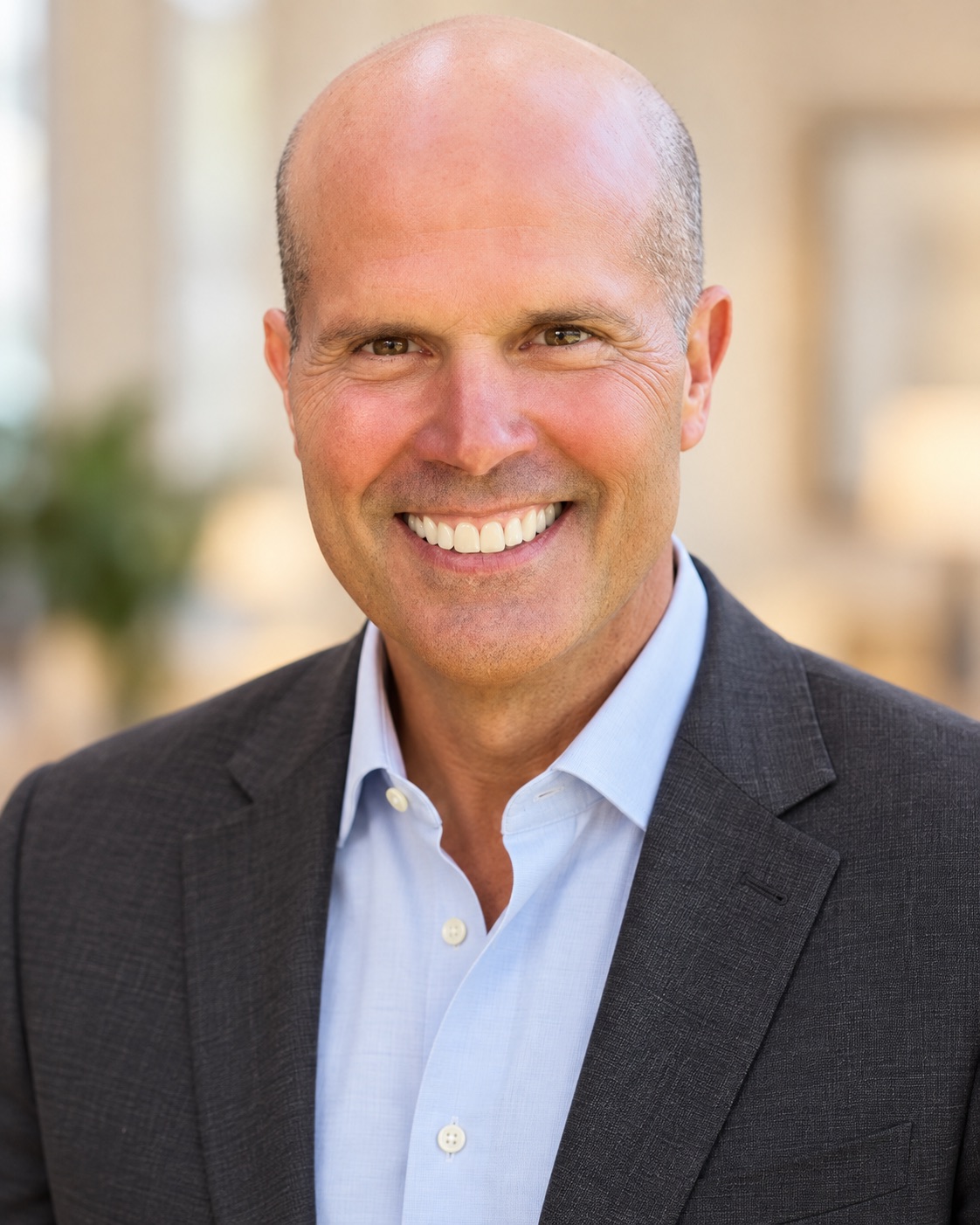
Hello. Welcome to my website. I'm Dr. Douglas Wilson.
Therapy is a place where you can slow down, talk things through, and get to know yourself a little better. I’m here to sit with you, listen closely, and help you make sense of what’s been going on. In our sessions, we’ll take time to explore what you’ve been through, notice patterns that may be showing up in your relationships or everyday life, and look at the beliefs that might be getting in your way.
People come to see me for many reasons: anxiety that won’t settle, a low mood that has lasted longer than it should, a relationship that keeps running into the same wall, thoughts that loop and won’t let go, or a sense that something is wrong without a clear name for it. The problem that brings someone in is real and worth attending to on its own terms. Just as often, it turns out to be the visible part of something larger.
I work from a psychodynamic and depth-oriented perspective. In plain language, that means I’m interested not only in what you’re feeling but in where it comes from, how it took shape, and what it might be protecting. We go at your pace. There is nothing you need to have figured out before you arrive.
Depth psychology
Most of the mind sits below the waterline.
My doctoral training has an emphasis in depth psychology, the tradition psychodynamic therapy grows out of; the two describe the same way of working. It begins with a simple premise: not everything important is immediately conscious.
The best way I’ve found to explain it is with a metaphor. Think of an iceberg. What you can see—the thoughts you can put into words, the feelings you can name—is only the surface. Much more sits below the waterline, outside of immediate awareness, yet it still shapes how you feel, react, and relate.
The conscious mind
What you are aware of right now: the thoughts you can put into words, the feelings you can name, the choices you believe you’re making freely.
Just beneath
What you can reach when you turn toward it: memories, assumptions, habits of mind, and moods you half-notice and set aside.
The unconscious
What stays out of view: early experiences, unresolved conflicts, feelings that were once too much to hold, and the patterns we learned in order to manage them.
That’s where a lot of our patterns live: a reaction that’s bigger than the moment, the same argument again and again, a harsh inner voice you can’t quite place, or symptoms like anxiety, obsessional thinking, or anger that seem to arrive from nowhere. The past may remain active in the present.
None of this is a flaw. These patterns usually began as sensible responses to real circumstances, often early in life, and they keep running long after things have changed. Because they are out of sight, they are hard to revise on your own.
A symptom can be painful and disruptive. It may also be an intelligent response to circumstances, a sign of inner conflict, or a demand for change. So while we work toward relief, we also ask a broader question: what is this experience trying to communicate, protect, or transform?
We pay attention to patterns that operate outside awareness—not to assign blame, but to create choice. Rather than treating you as a problem to be solved, this approach invites a sustained encounter with the whole of your experience, and insight is paired with practical support so that understanding can become lived change. As these patterns become more visible, you can respond to life with greater flexibility and authorship.
Common reasons people reach out
- Anxiety, worry, perfectionism, or chronic self-criticism
- Depression, emptiness, loss of motivation, or disconnection
- Grief, bereavement, and other forms of loss
- Relationship patterns, intimacy concerns, or difficult boundaries
- Life transitions, identity shifts, and questions of purpose
- Trauma and the lasting effects of overwhelming experience
- Creative blocks, burnout, and vocational uncertainty
- Spiritual questions or a longing for a more meaningful life
How we work together
Slow, careful attention, over time.
Psychodynamic psychotherapy is not a set of techniques applied to you. It is a relationship in which we pay close attention, together, to what you say, what you feel, what you avoid, and what happens between us in the room. Over time, that kind of attention tends to bring the deeper layers into view.
01
A first conversation
We begin with a brief conversation. You can tell me a little about what’s bringing you in, ask whatever you’d like to know about how I work, and get a sense of whether we’re a good fit.
02
The first few sessions
Early on, I’m listening for the shape of things: your history, your relationships, what has helped and what hasn’t. I strive to establish a strong therapeutic alliance from the beginning, which ideally fosters trust and openness in our relationship.
03
The ongoing work
Sessions are 50 minutes, usually weekly, in my Burbank office or by telehealth. We follow what comes up. Some of it will be about the present; some of it will lead further back than you expect. I can also integrate other therapeutic approaches to tailor the treatment to fit your individual needs.
04
What tends to change
As more of your inner world becomes visible, old patterns loosen their hold. People often describe greater self-awareness, steadier emotional footing, and relationships that feel more honest. I cannot guarantee a specific outcome or cure; healing is a deeply personal journey. My role is to support you in it.
Areas of focus
What I can help with.
Each of these is a different surface. The work beneath them has a great deal in common.
Anxiety
Persistent worry, tension, and fear that outlast the situations that set them off.
Depression
Low mood, flatness, and self-criticism that have gone on longer than they should.
Trauma
Experiences that were too much to hold at the time, and still shape the present.
Obsessional Thinking
Thoughts that loop, intrude, and refuse to be reasoned away.
Anger
Irritability and outbursts that are out of proportion and hard on the people you love.
Stress
Pressure that has become constant and has started to cost you.
Men's Therapy
A place for men to speak plainly about relationships, intimacy, shame, and the past.
LGBTQIA+ Community
Affirming therapy that takes identity seriously without making it the whole story.
Couples
Help for two people caught in the same argument, trying to find their way back to each other.
Psychodynamic Psychotherapy
The approach beneath all of my work: understanding how the past lives in the present.
About Dr. Wilson
I see therapy as a journey.
I strive to establish a strong therapeutic alliance with all my clients from the beginning, which ideally fosters trust and openness in our relationship. Hopefully, you will experience me as someone who understands you.
I see therapy as a journey—not something you have to have completely figured out. I cannot guarantee a specific outcome or cure, as healing is a deeply personal journey that involves understanding and accepting one’s own emotional and psychological experiences. My role is to support you in exploring these aspects, fostering self-understanding, and promoting growth in our therapeutic relationship.
Licensed Clinical Psychologist, California · PSY 27708
Ph.D. in Clinical Psychology, Emphasis in Depth Psychology
M.A. in Spiritual Psychology
2-Year Certificate in Adult Psychoanalytic Psychotherapy, The New Center for Psychoanalysis

Rates
$225
Individuals · Per 50-minute session
$250
Couples · Per 50-minute session
I recognize that the cost of therapy can be a barrier to care, so I reserve a limited number of appointments at a reduced fee. These fees are based on financial circumstances and availability and are established before we begin working together.
PPO
Out of network
At the beginning of every month I can provide you with an invoice (also known as a “superbill”), which you can submit to your insurance company for reimbursement. Typically, you pay the full fee upfront and receive a percentage of it back. The amount varies from plan to plan. Make sure to call your insurance plan to find out the specifics: the percentage you are reimbursed, your deductible, and the allowable amount for behavioral healthcare.
Contact
I’d be happy to schedule a complimentary 20-minute video consultation so we can talk briefly about what’s bringing you to therapy and whether my approach feels like a good fit. There’s no pressure in this conversation; it’s simply a chance to get a sense of one another before deciding on anything further.
Call or send a note below and I’ll be in touch to arrange a time.
Office
3808 W. Riverside Drive, Suite 400
Burbank, CA 91505
(323) 791-6094
In person and telehealth
Hours
Monday – Friday
9:00 AM – 7:00 PM
Saturday & Sunday closed